
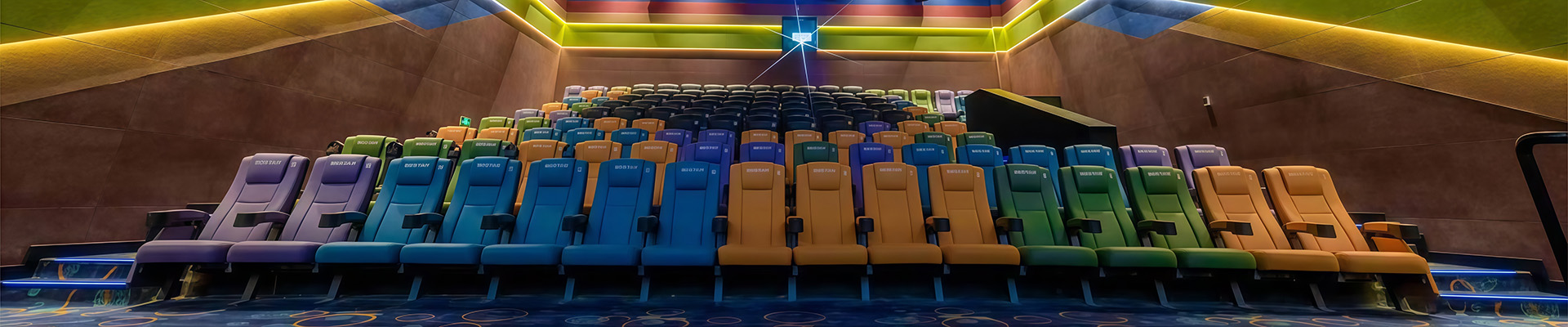
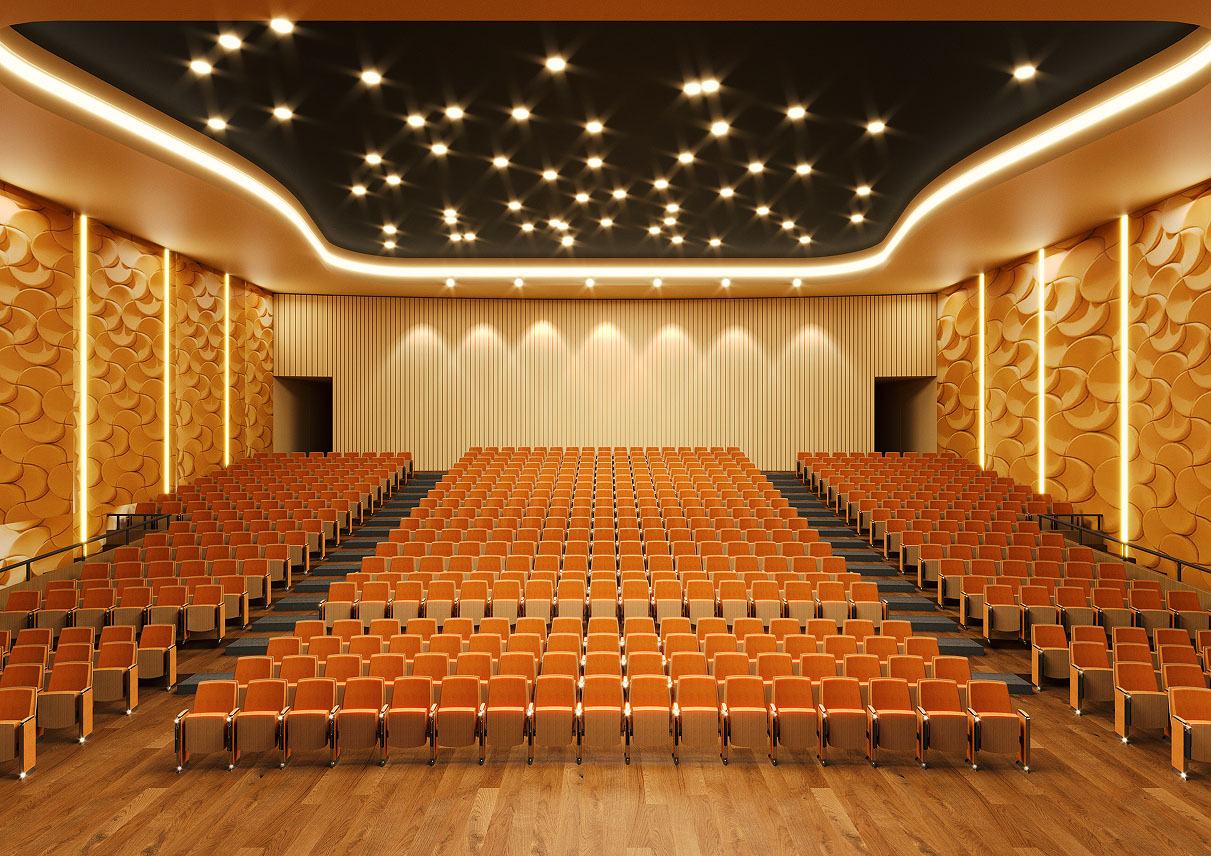
Picture this: you’re tasked with outfitting a new university lecture hall, a corporate auditorium, or a multi-function conference centre. You’re selecting finishes, sightlines, and technology. But here’s the pivotal decision often underestimated: the seating. This isn’t a mere furniture purchase. You are, in fact, architecting an ecosystem for concentration. For the attendees who will spend hours within these walls, the chair is far more than a place to sit, where it is their personal command centre for learning and collaboration.
These individuals must seamlessly transition between writing notes, listening intently, and interacting with digital devices, all while remaining engaged through lengthy presentations. When this critical workstation fails, for example, when the writing surface wobbles, comfort falters into distraction, or a noisy mechanism disrupts a key moment, the entire mission of the space is undermined. Then it is potential that the quality of education, the flow of ideas, and the return on investment for the venue itself are placed at risk.
Consequently, professional lecture hall seating is conceived not as a commodity, but as a holistically engineered system. True ergonomics in this context transcends simple cushioning; it is the science of supporting active, seated work. It integrates posture stabilization for writing, provides steadfast work surfaces, ensures silent operation, and weaves technology access into the user experience, which is all delivered within a robust and space-conscious design.
This guide deconstructs the essential engineering features that define authentic, performance-oriented auditorium seating. Using the STARROAD WL1225 Series as a benchmark, we will explore how to critically assess writing-board utility, anatomical geometry for long-duration seating, acoustic-dampening mechanisms, customization pathways, and strategic layout planning. Our objective is to equip you with the insights needed to specify seating solutions that fulfil the rigorous, real-world demands of today’s academic and professional environments.
1) The Integrated Workstation: Why Writing Board Design Matters Most
Beyond a simple seat, the lecture hall chair serves as a primary workstation, where there is a critical distinction from passive cinema seating which is merely for viewing. Here, the user’s task is tripartite: writing, typing, and viewing, frequently in concurrent operation. An inferior writing board directly compromises this function, inducing ergonomic failure such as hunched posture, cervical strain, and unstable note-taking. To perform effectively, the board must meet three core demands: sufficient surface area for a notebook or tablet; unwavering stability for firm writing; and intuitive, quiet stowage to maintain distraction-free environment.
The STARROAD WL1225 Series, particularly the WL1225H variant, exemplifies this principle with its engineered anti-accidental-touch writing board. It delivers a rigid, reliable work surface and incorporates a practical access opening for small items, seamlessly integrated into the armrest or seat-back to eliminate operational wobble. This precise engineering is transformative, elevating the chair from passive furniture to an active productivity tool.
When specifying seating, prioritize empirical evaluation of the writing board under realistic conditions. Assess its stability under pressure, the smoothness and silence of its retraction mechanism, and its compatibility with modern devices like laptops or tablets. These performance-based criteria ultimately hold greater significance for long-term user satisfaction and venue functionality than aesthetic considerations alone.
2) Engineering Endurance: The Anatomy of Long-Duration Support
Professional lecture hall seating must be engineered for endurance, not merely brief comfort. Sessions, conferences, and seminars routinely demand 2 to 4 hours of continuous, focused sitting, with limited opportunity for repositioning. Consequently, the fundamental geometry of the chair must proactively combat musculoskeletal fatigue in the lumbar region, shoulders, and thighs.
The WL1225 Series meets this challenge through an integrated support system: a fully enveloped seat cushion works in concert with a precisely crafted wooden backrest and seat board. This synergy delivers anatomical contouring that maintains neutral spinal alignment and promotes even pressure distribution. At its core, the high-resilience molded foam retains its structural integrity over years of use, actively preventing the "hammock effect"—a common failure where the seat base sags, forcing the occupant into a fatiguing slouch.
For architects, facility managers, and specifiers, the imperative is clear. Prioritize seats that specify performance-driven ergonomic features: defined lumbar contours, high-density molded foam (where ≥50kg/m³ serves as a reliable industry benchmark), and a load-bearing seat structure. Distinguish between mere padding and purposeful design; it is the inherent shape and engineered construction that deliver sustained comfort and support throughout the entire duration of any lengthy program.
3) Acoustic and Physical Safety: Engineering a Distraction-Free Environment
In a learning or conference environment, auditory distraction directly compromises cognitive engagement. The sharp sound of a seat clattering during a critical moment breaks concentration and undermines the venue's professional atmosphere. Beyond acoustics, a rapid, uncontrolled seat return presents a tangible safety risk in crowded aisles.
The WL1225 Series is engineered to address this dual concern through an integrated damped flip-up mechanism. It combines a mechanical obstruction system to prevent violent upward collision with a pneumatic assist for smooth, controlled downward motion. This results in a true silent-recovery operation, ensuring seats retract quietly and safely irrespective of user speed—whether during a quick exit or a simple position adjustment, thereby preserving the integrity of the focused environment.
4) Future-Proof Integration: Embedding Technology into the Seating Architecture
The modern lecture hall is a technology hub, requiring integrated support for simultaneous interpretation systems, audio equipment, USB-C charging ports, and secure tablet docking. Chairs lacking this native capability force venues into suboptimal retrofit solutions—clumsy after-market add-ons that detract from aesthetics, compromise user experience, and create maintenance challenges.
The WL1225 Series addresses this need at the design stage with its modular, customizable armrests, engineered to house interpretation receivers, audio jacks, or other AV/IT components directly within their structure. This approach enables the delivery of enhanced technological services while preserving a clean, uncluttered environment. The result is a seamless, factory-original integration that is both secure and discreet, maintaining the chair's sleek profile without sacrificing functionality.
For any technology-enabled auditorium project, early collaboration with the seating supplier is a critical path to success. Engage in preliminary discussions to map required integrations against the physical constraints and opportunities within the armrest or seat frame. The ultimate objective is to achieve a technology-agnostic infrastructure where advanced features are fully accessible yet remain unobtrusive, supporting the pedagogical or presentation mission without ever distracting from it.
5) Durable Construction: The Economics of Long-Term Durability
In high-traffic academic and corporate environments, where seating serves hundreds of users daily, durability transcends mere longevity. It is a critical operational metric directly tied to preserving a professional aesthetic and minimizing total lifecycle costs through reduced maintenance, repairs, and premature replacement.
The WL1225C variant exemplifies this principle with its foundational high-tensile steel leg structure, offering unmatched structural integrity and stability, particularly when anchored to tiered flooring systems. This robust framework is paired with high-resilience molded foam to ensure lasting comfort. Furthermore, integrated components such as PP (polypropylene) injection-molded side guard plates serve as armor against daily wear—deflecting scuffs, impacts, and cleaning equipment abrasion to maintain a consistently new appearance over years of service.
For project specifiers, due diligence must extend beyond general claims. Request and verify detailed specifications on frame material (including steel gauge and grade), corrosion-resistant coating or treatment, and the composition of high-wear components. These tangible engineering choices are the definitive factors that predict how effectively the seating system will withstand the rigors of decades of constant use, safeguarding both the venue's investment and its image. 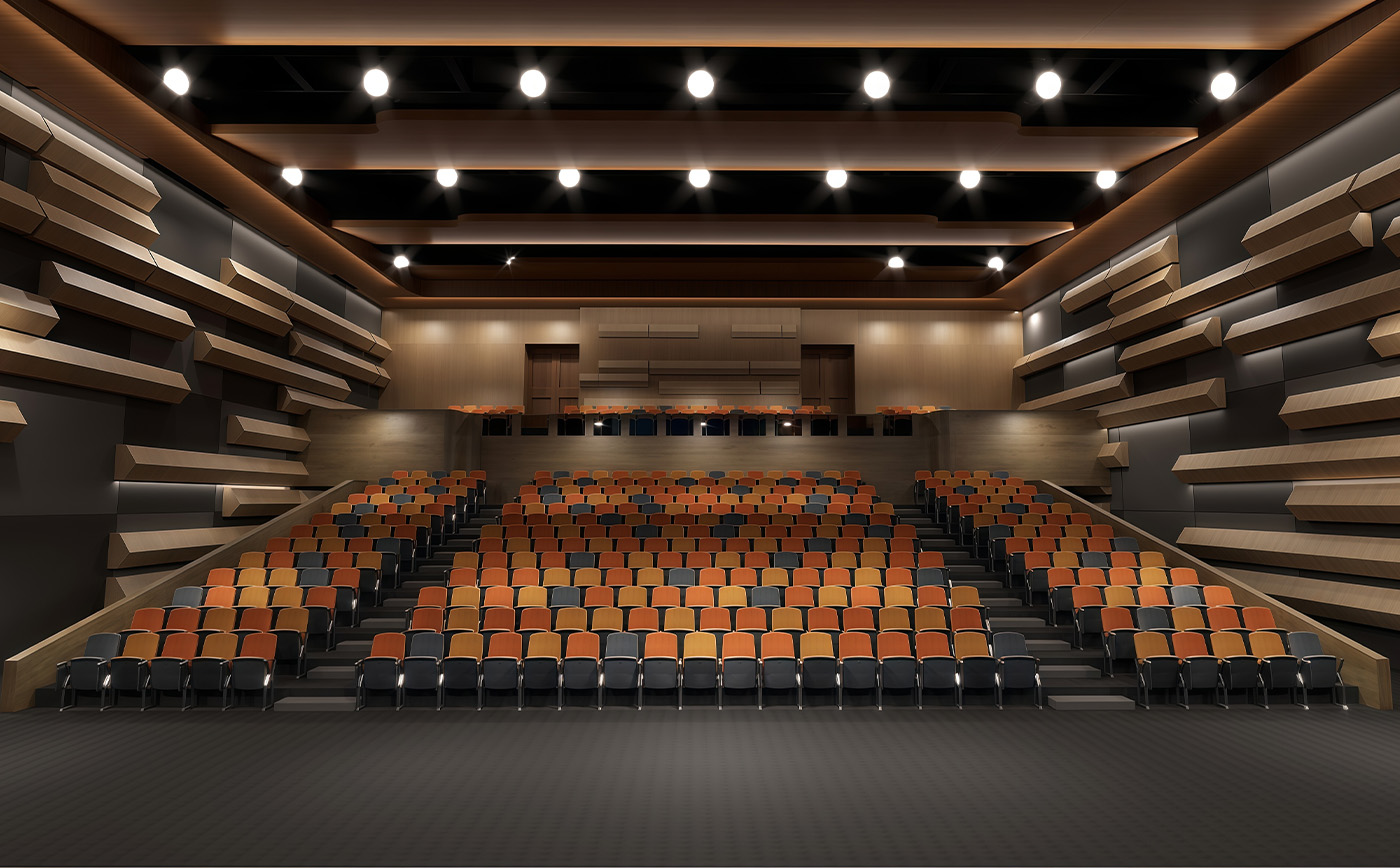
6) Strategic Layout: Where Ergonomic Design Meets Spatial Efficiency
A perfectly engineered chair can be fundamentally compromised by flawed installation geometry. Inadequate row clearance sabotages legroom and impedes access to writing surfaces, while overly generous spacing inefficiently wastes valuable floor area and reduces venue capacity. Successful planning, therefore, requires a calculated equilibrium between individual comfort and optimal space utilization.
For performance-oriented models like the WL1225 Series, achieving this balance typically necessitates a row spacing (pitch) of 1100–1200mm. This range provides critical knee clearance for a seated occupant to comfortably deploy and use the writing board. Similarly, a centre-to-centre distance of 550–600mm ensures sufficient personal space without unnecessarily sacrificing seat count per row.
This underscores a vital specification phase protocol: engage seating manufacturers during preliminary space planning. By providing the hall's comprehensive dimensions, tiering profiles, and specific sightline requirements, you enable experts to recommend data-driven configurations. This collaborative approach yields a tailored layout that concurrently maximizes audience capacity, upholds ergonomic integrity, and ensures unobstructed sightlines—transforming raw space into a high-functioning assembly environment.
7) The Strategic Specification of Surfaces: A Triad of Performance, Maintenance, and Ambiance
In a lecture hall, upholstery performs a critical, multi-faceted role that extends far beyond mere aesthetics. It functions as a primary acoustic moderator, absorbing sound to mitigate echo and enhance speech clarity. Concurrently, it must meet rigorous commercial durability and hygiene standards, engineered for easy cleaning and long-term wear resistance, all while aligning with the venue's intended aesthetic and brand identity.
Manufacturers like STARROAD address this complex brief with a curated material palette. Options range from breathable, sound-attenuating linen blends that enhance comfort and acoustics, to high-performance, stain-resistant polyurethane (PU) surfaces designed for swift, low-maintenance wipe-downs. For flagship environments, top-grain leather with advanced protective sealants delivers unparalleled sophistication while maintaining practical cleanability.
The selection process must be driven by operational context. A university lecture hall might prioritize robust, spill-resistant fabrics for high-traffic student use, whereas a corporate conference centre may opt for materials that project a more upscale, executive ambiance. This deliberate alignment ensures the specified material contributes positively to both the immediate user experience and the long-term operational efficiency of the space.
8) Comparing Models: How to Match the WL1225 Series to Your Venue Type
|
Model |
Best For |
Key Differentiators |
|
WL1225 |
High‑end multi‑function venues, conference centres |
Elegant style, super‑comfort molded sponge, customizable armrests for AV/IT integration |
|
WL1225H |
Lecture halls with intensive note‑taking |
Anti‑accidental‑touch writing board, accessible under‑board opening, pneumatic comfort |
|
WL1225C |
High‑traffic, budget‑conscious installations |
Durable steel leg structure, robust construction, cost‑effective without sacrificing core comfort |
Select based on priority:
- Choose WL1225H if writing‑board functionality and quiet operation are critical.
- Choose WL1225 if technology integration and elegant styling are top needs.
- Choose WL1225C if structural durability and value are primary drivers.
9) Specifier’s Checklist for Auditorium Chair Procurement
To ensure you receive comparable, performance‑oriented quotes, include these points in your RFQ:
- Writing Board: Stability, size, retraction mechanism, anti‑shake design.
- Ergonomics: Contoured backrest/seat, molded foam density (e.g., ≥50kg/m³), lumbar support.
- Mechanism: Silent flip‑up, buffer‑recovery type, safety features.
- Customization: Armrest options for AV/IT integration, material choices.
- Durability: Frame material (steel recommended), leg construction, edge protection.
- Layout: Required row spacing and center‑to‑center distance for your floor plan.
- Acoustic & Maintenance: Upholstery sound absorption, cleanability, wear resistance.
10) Turning Features into Benefits: Communicating Value to Stakeholders
When presenting seating options to decision‑makers, shift from technical features to operational benefits:
- Instead of “molded foam,” say “long‑term comfort that reduces attendee fatigue during full‑day events.”
- Instead of “silent mechanism,” say “distraction‑free environment for quiet lectures and recordings.”
- Instead of “customizable armrests,” say “future‑proof integration for translation systems and audience response technology.”
- Instead of “durable steel frame,” say “lower lifetime maintenance costs and consistent professional appearance.”
This approach aligns the seating investment with broader venue goals: attendee satisfaction, operational efficiency, and long‑term value.
Conclusion: Smarter Lecture Hall Seating: Where Ergonomics Meets Functionality
Selecting lecture hall auditorium chairs is a strategic decision. The right seats enhance focus, enable technology, endure heavy use, and quietly support the venue’s mission. By focusing on integrated writing surfaces, ergonomic construction, silent mechanisms, and customizable options, you create environments where content—not discomfort—takes center stage.
The STARROAD WL1225 Series exemplifies this integrated approach, offering variants tailored to different venue needs, from university lecture halls to corporate conference centers.
Ready to Specify? Contact Us to get a quote!
If you’re planning a new auditorium or renovating an existing space, share your floor plan and requirements. Our team can recommend the optimal seating model, layout spacing, and customization options to fit your vision—ensuring your seating works as hard as your attendees do.